Network Segmentation FAQ: Answers to Common Security Questions
Network segmentation limits lateral movement by isolating data, ensuring that a compromise in one area does not automatically expose your entire digital infrastructure.
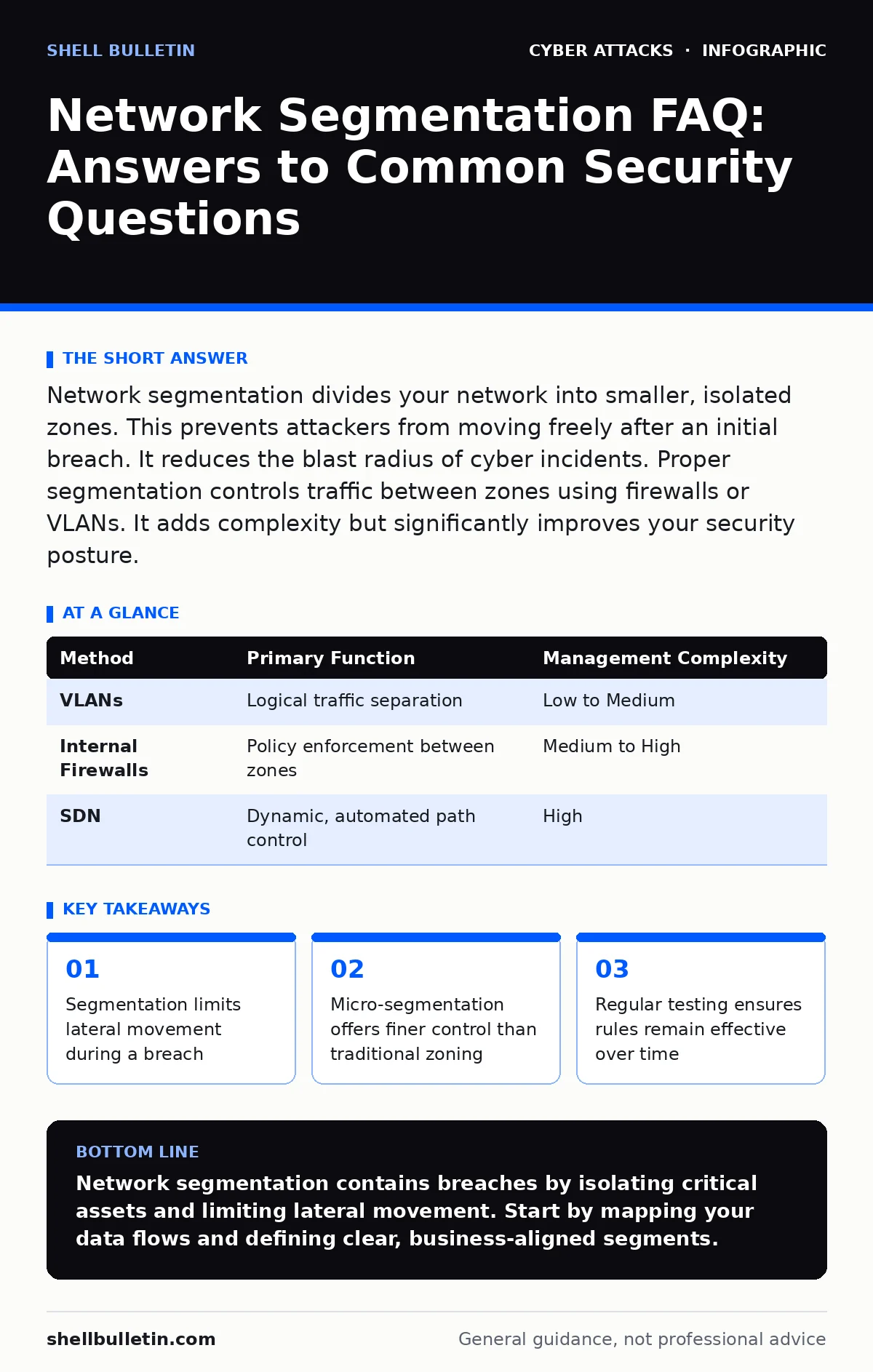
Network segmentation divides your network into smaller, isolated zones. This prevents attackers from moving freely after an initial breach. It reduces the blast radius of cyber incidents. Proper segmentation controls traffic between zones using firewalls or VLANs. It adds complexity but significantly improves your security posture.
What is network segmentation and why does it matter?
Network segmentation is the practice of dividing a computer network into smaller, distinct segments or zones. Each segment operates independently, with strict controls on traffic moving between them. This isolation ensures that if an attacker compromises one segment, they cannot easily access the others. It transforms a single point of failure into multiple, manageable barriers. Without segmentation, your entire network acts as one large, flat space where threats spread unchecked.
How does segmentation differ from standard firewall protection?
A standard perimeter firewall protects the boundary between your internal network and the outside world. Segmentation adds internal boundaries within your network itself. While the perimeter firewall stops external threats, internal firewalls or access control lists manage traffic between internal zones. This distinction matters because many threats originate from inside the network or bypass the perimeter entirely. Internal controls are necessary to contain damage once the outer shell is breached.
What are the main methods for implementing segmentation?
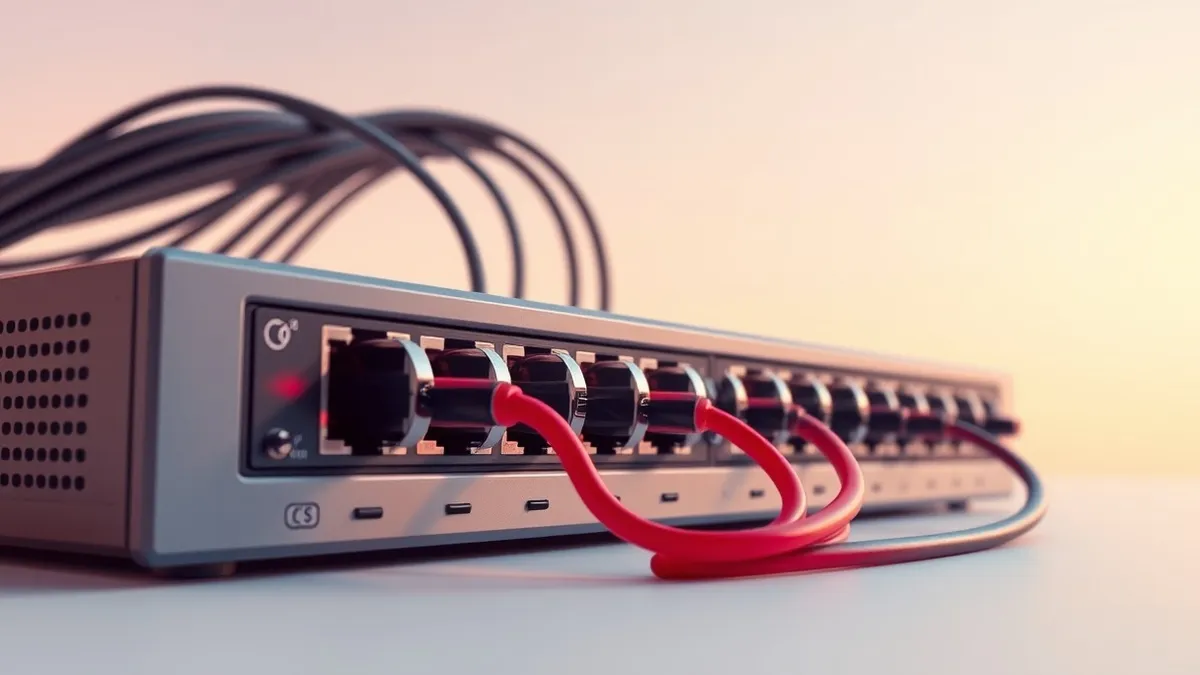
You can implement segmentation through Virtual Local Area Networks (VLANs), firewalls, or software-defined networking (SDN). VLANs logically separate traffic at the switch level without requiring new physical cabling. Firewalls enforce policy rules between these logical zones, inspecting packets for compliance. SDN allows for dynamic, programmatic control of network paths and policies. Each method offers different levels of granularity and management overhead. Choosing the right method depends on your infrastructure complexity and security requirements.
| Method | Primary Function | Management Complexity |
|---|---|---|
| VLANs | Logical traffic separation | Low to Medium |
| Internal Firewalls | Policy enforcement between zones | Medium to High |
| SDN | Dynamic, automated path control | High |
Does segmentation impact network performance or user experience?
Properly configured segmentation adds minimal latency to routine traffic flows. The processing overhead occurs primarily when traffic crosses security boundaries for inspection. Users typically experience no noticeable slowdown for local activities within their segment. However, excessive filtering rules or poorly placed choke points can create bottlenecks. You must balance security controls with the need for efficient data transfer. Regular performance monitoring helps identify and resolve any unintended delays.
How do I decide where to draw segment boundaries?
Segment boundaries should align with your business functions and data sensitivity levels. Group devices that share similar security requirements and access patterns together. Isolate high-value assets, such as financial records or intellectual property, into their own strict zones. Separate guest networks from corporate resources to prevent accidental data exposure. Consider the principle of least privilege, granting access only to what is necessary. This logical grouping simplifies rule creation and reduces the risk of misconfiguration.
See also: Network Traffic Analysis: Definition, Purpose and Core Mechanics
What is micro-segmentation and when should I use it?
Micro-segmentation applies security policies at the individual workload or application level. Unlike traditional segmentation, which protects larger zones, micro-segmentation isolates each server or service. This approach is particularly useful in virtualized or cloud environments where workloads are dynamic. It prevents east-west traffic, or lateral movement, at a granular scale. Use it when you need to protect specific applications from compromised neighbors. It offers superior containment but requires more detailed policy management.
How does segmentation relate to other security measures?
Segmentation works in tandem with other security practices to create layers of defense. It complements cyber hygiene by limiting the impact of poor password practices or unpatched systems. It reduces the effectiveness of eavesdropping attacks by restricting the scope of sniffable traffic.
While email filtering and email authentication stop threats at the entry point, segmentation contains them if they get through. It also mitigates risks from smishing and vishing by isolating endpoints that may fall victim to these social engineering tactics. Defense in depth requires all these elements working together.
How do I maintain segmentation over time without causing chaos?
Network environments change as you add devices, applications, and users. Static segmentation rules often become obsolete or overly restrictive, leading to shadow IT workarounds. You must establish a process for reviewing and updating access policies regularly. Document every rule and its business justification to prevent policy drift. Automated tools can help enforce consistency and detect unauthorized changes. Neglecting maintenance turns segmentation into a source of frustration rather than security.
What are the common pitfalls to avoid during implementation?
One major pitfall is creating too many segments without clear governance. This leads to a management burden that exceeds the security benefit. Another error is failing to test access controls after implementation. Unintended blockages can disrupt business operations, causing staff to bypass security measures. Ensure you have a rollback plan in case critical services are disrupted. Finally, do not assume segmentation eliminates the need for endpoint security. It is a control, not a cure-all.
Key takeaways
- Segmentation limits lateral movement during a breach
- Micro-segmentation offers finer control than traditional zoning
- Regular testing ensures rules remain effective over time
Network segmentation contains breaches by isolating critical assets and limiting lateral movement. Start by mapping your data flows and defining clear, business-aligned segments.
Frequently asked questions
Can segmentation stop ransomware completely?
No, segmentation cannot stop ransomware from encrypting files within an infected segment. It prevents the ransomware from spreading to other parts of the network, limiting the total damage and recovery time.
Do I need segmentation if I use a cloud provider?
Yes, cloud environments require segmentation to isolate workloads and control access. Even though the provider secures the infrastructure, you are responsible for securing your data and application traffic within that infrastructure.
How often should I review my segmentation rules?
You should review segmentation rules at least quarterly or whenever significant infrastructure changes occur. Regular reviews ensure that access controls remain aligned with current business needs and security threats.
Is segmentation expensive to implement?
Initial implementation costs vary based on the technology chosen, but many modern networks support basic segmentation features natively. The cost of a contained breach is typically far higher than the investment required for proper segmentation.
How this guide was produced: written by the Shell Bulletin editorial team with AI assistance, checked against the public references listed below, and reviewed when the facts change. See our editorial policy or report an error.