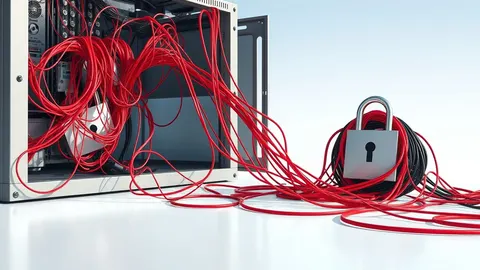
Email encryption splits your message into separate pieces, sending the data through public channels while keeping the decryption key in a private vault that only the recipient controls.
Most email security breaches occur not because authentication is missing, but because organizations misconfigure the strictness of their SPF and DKIM records, leaving backdoors open.
Clone phishing attacks bypass standard filters by reusing trusted sender addresses, forcing detection to rely on temporal anomalies and metadata inconsistencies rather than content analysis.
Most breaches bypass filters not because the technology failed, but because administrators configured rules that prioritize delivery over strict security validation.